Contaminated Soils
From sites with current or legacy industrial activity, where excavated material may require controlled handling, treatment, or disposal to meet regulations.
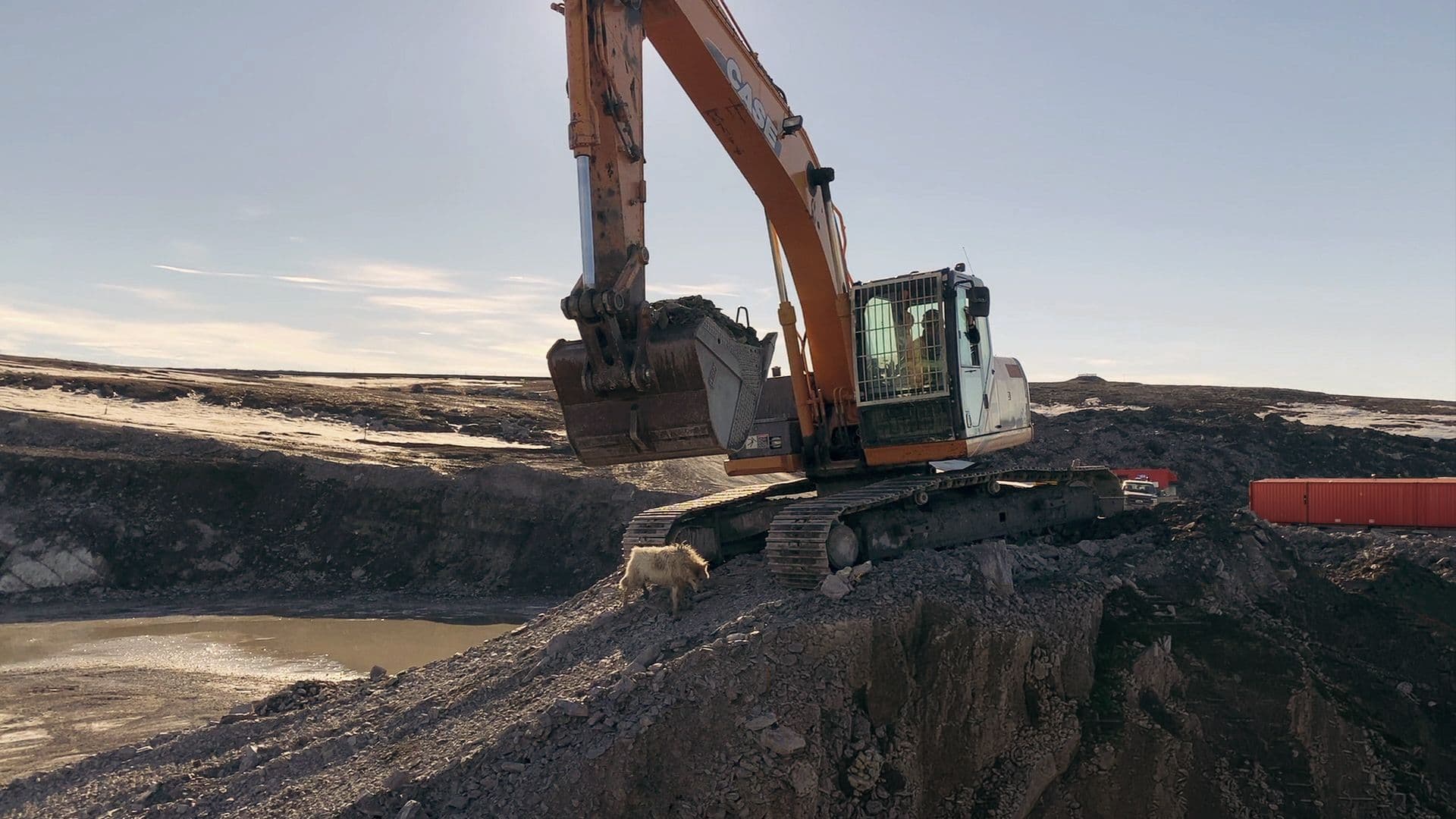

Recover what you can. Control what you can’t.
Contaminated soils are common on civil and infrastructure jobs, especially on redevelopment sites, fuel-impacted digs, industrial yards, and corridor work where the history is unclear.
The impact is immediate: higher hauling costs, fewer disposal options, and delays when material cannot be reused. Soil washing separates usable sand and aggregate from the fraction that needs controlled handling, helping reduce waste volume and keep the job moving.
Industry Pain Points
Contaminated soils can get expensive fast. These are the top issues we see most often with our customers handling contaminated soils.
Regulators Need Proof.
You need a defensible process that holds up to permits, reporting, and inspections.
Disposal Costs Escalate Fast.
Once material is classified as contaminated, tonnes gets expensive to move and dispose.
Variable Feed Breaks Flow.
Moisture, fines, and inconsistent feed create bottlenecks and make it harder to hit spec.
Make Contaminants Manageable
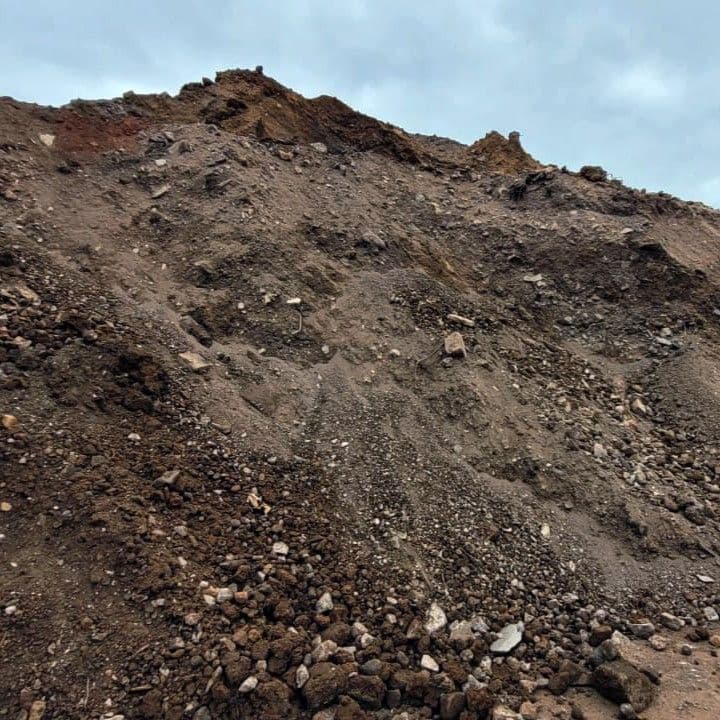
Contaminated soils often come from legacy land use and long-term site activity. They are often a mix of:
- Native soil and imported fill
- Asphalt fragments, brick, and concrete
- Organics, fibers, and fine trash
Contamination varies by site, but common concerns include metals and fines that hold most of the risk.
The challenge is separation. One pile can contain reusable coarse material mixed with fines that drive disposal costs and compliance requirements. Treating it all as waste is the simplest option, but it usually costs more and gives you less control.
Best-Fit Applications
When to Wash
Some contaminated loads are worth processing, others are not. Washing pays off when recoverable sand and aggregate are mixed with fines, debris, or inconsistent material that drives handling and disposal cost.

Fueling and Maintenance Areas
Small spills add up over time, creating hot spots that need controlled handling.
Transportation and Industrial Corridors
Runoff builds up silts, asphalt fragments, and residues along roads and access routes.
Redevelopment and Demolition Footprints
Mixed fill and debris make material quality inconsistent across the site.
Stormwater Infrastructure Cleanouts
Fine-heavy, messy material with organics and trash that complicates handling.
Sustainable Benefits You Can Measure
Contaminated soil management comes down to where the tonnes go and what it costs to move them. Soil washing recovers usable sand and aggregate from inbound loads that would otherwise leave as waste, cutting outbound trucking and disposal volume. It also reduces the need for virgin material on local projects, creating a tighter flow from receiving to outbound with better margins.
Explore What’s Possible with Soil Washing
Learn how washing can turn hydrovac waste into defined outputs
Got a Contaminated Feed Problem?
Tell us what’s coming in, what’s getting rejected, and where the costs are stacking up. We’ll help you map a practical process and the next steps.