
Soil and slurry washing is often talked about like it is highly technical or overly complicated.
IT IS NOT.
At its core, soil and slurry washing is a practical process that helps separate usable material from waste. That can mean recovering sand and aggregate, reducing the amount of material sent for disposal, and getting a better handle on what still has value.
That is why more operators are taking a closer look at it.
WHAT IS SOIL AND SLURRY WASHING?
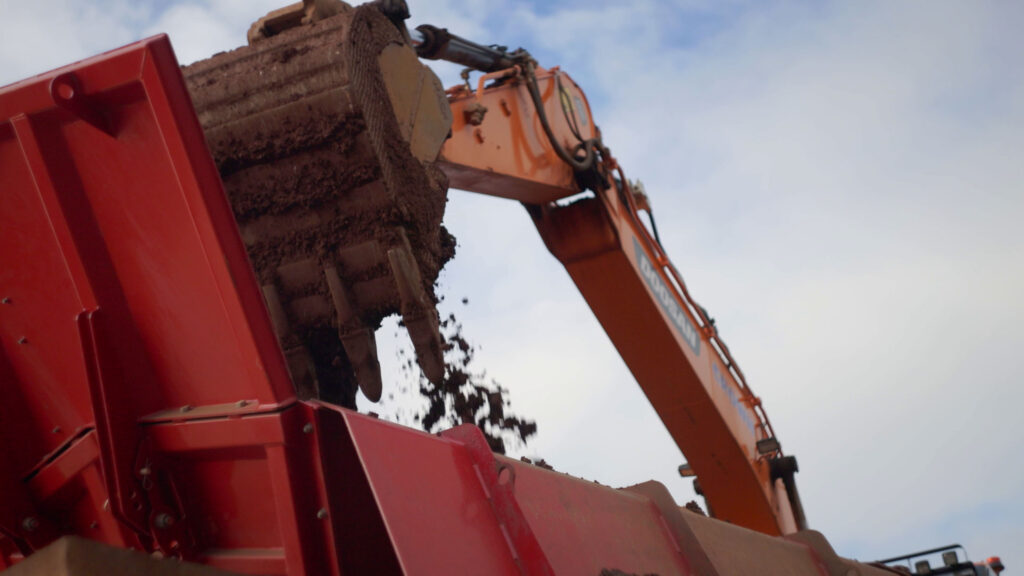
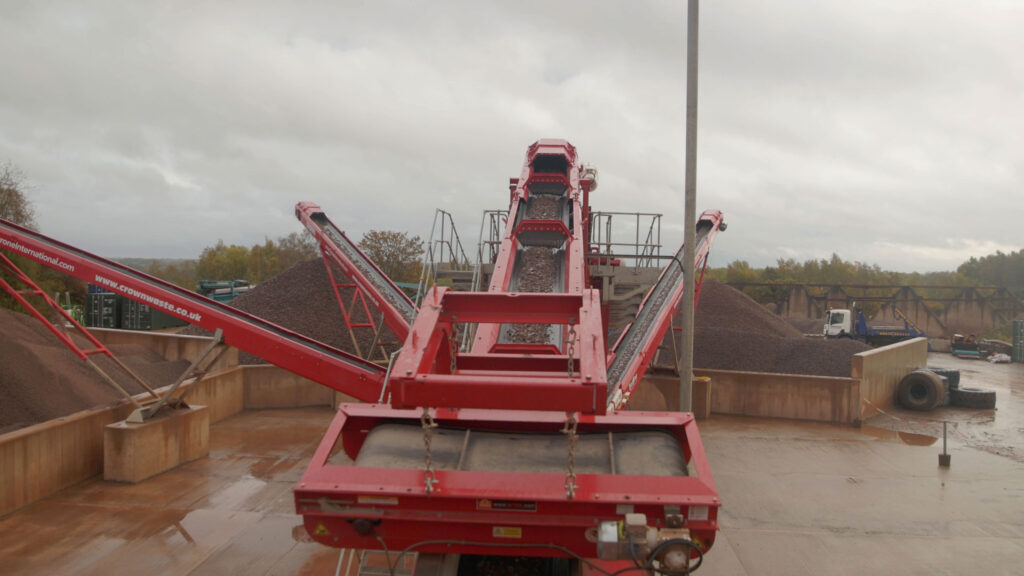
Soil and slurry washing is a process used to wash and separate mixed or difficult material.
In simple terms, it helps sort material into different fractions so operators can better understand what can be recovered, what can be reused, and what truly needs to leave the site.
Depending on the application, that may include separating out usable aggregate, removing fines, and reducing the total waste volume.
WHY DOES IT MATTER?
For many operations, the old approach was simple: haul material away and absorb the cost. That approach is getting harder to justify.
Hauling costs are rising. Disposal pressure is increasing. Landfill and fill options can be tighter. More operators are also paying closer attention to recovery, waste reduction, and how material is being managed on site.
That is where soil and slurry washing can make a difference.
For the right application, it can help operators reduce disposal volumes, recover usable material, improve control over difficult material streams, and get more value from material already on site.
IS IT NEW TECHNOLOGY?
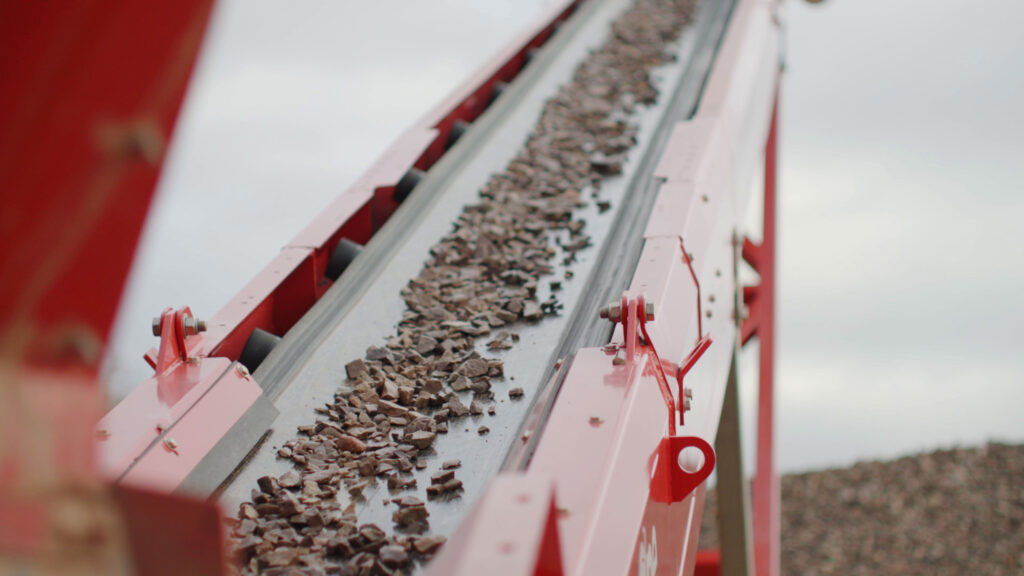
No. That is one of the biggest misconceptions.
Soil and slurry washing is a proven process. It has been used in more mature markets for years and is already well understood in the right applications.
IS SOIL WASHING ONLY FOR LARGE OR COMPLEX SITES?
Not necessarily. Soil and slurry washing is not a one-size-fits-all solution, and it is not right for every site. But it is also not something that only applies to massive, highly specialized operations.
It can be relevant anywhere operators are dealing with excess soil, slurry, mixed loads, difficult fines, or material that may contain recoverable value.
That can include transfer stations, landfill and fill sites, excavation and civil contractors, slurry receiving facilities, and aggregate operations dealing with challenging feed.
THE BOTTOM LINE
Soil and slurry washing is not rocket science.
It is a practical, proven process that can help the right operations reduce waste, recover material, and improve control over site economics.
It is not for every site.
But it is also not as complicated as many people think.
For more operators in Canada, it is becoming a process worth understanding.
If you’re stuck with wet material, high disposal cost, or inconsistent output, reach out. We’re just around the corner and ready to walk you through the process.