
EXCESS SOILS
Excavated material from trenching, roadwork, and
site development that cannot be reused on site as-is.
site development that cannot be reused on site as-is.
Excavated Soils, Solved
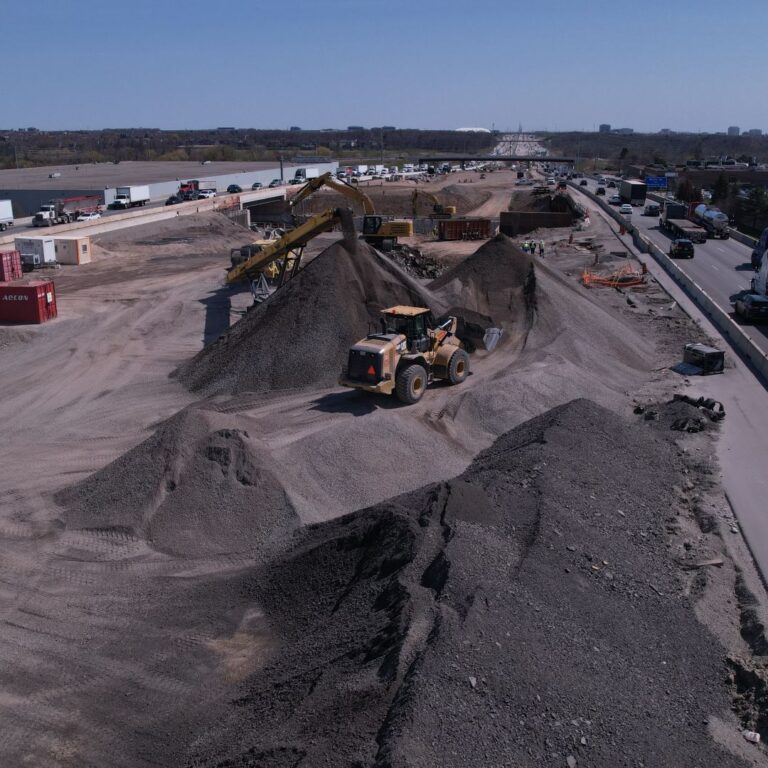
Every civil job creates excess soil. Trench spoils, basement digs, road widening, utility work, site cuts. When it cannot go straight back in the ground, it gets stockpiled, hauled, and tipped.
The real problem is not volume. It is variability. One load is clean and granular. The next is heavy clay, organics, debris, or mixed material that needs tighter handling and documentation.
Common Challenges
If you’re handling excess soils, you’re feeling the pressure. Here are the top issues we’ve mapped out from operators like you.
01
Hauling Costs Eat Margin.
Every extra truckload and tipping fee drives your cost per tonne up.
02
Finite Airspace,
Fewer Options.
Airspace is tight and outbound options are shrinking, so piles build and turnaround slows.
03
Variability
Breaks Flow.
Moisture, fines, and inconsistent loads reduce throughput increasing compliance headaches.
Excess is Everywhere
Excess soils are not a rare issue. They are a daily reality for civil crews and project managers across Canada, especially where schedules are tight and disposal rules are strict.
It shows up in trenching, roadwork, site development, municipal upgrades, and redevelopment jobs. When material cannot be confidently reused, the default becomes haul it out. That keeps the job moving, but it often becomes the cost centre on the project.
Common sources include:
- Road and highway work
- Utility trenching (water, sewer, storm, gas, electrical)
- Site development and foundations
- Redevelopment and industrial upgrades
- Rail, port, and municipal infrastructure projects
Best-Fit Applications
When to Wash
Some excess soils are worth processing. Others are not. Here are the situations where washing typically delivers the biggest payoff.
- Utility Trench SpoilsHandles fast-changing trench mix. Recovers sand and aggregate, separates fines.
- Road Rehab and WideningCleans up dirty granular. Removes debris, sizes product, concentrates fines.
- Brownfield RedevelopmentReduces worst-case disposal. Recovers usable fractions where permitted.
- Site ExcavationBreaks up clay-heavy feed. Separates fines from coarse for better reuse.
Sustainable Benefits You Can Measure
Sustainability matters when it hits your costs. On many projects, excess soil can cost more to haul and dispose of than it costs to bring in new sand or base. Soil washing reduces landfill tonnes and truckloads, while keeping usable sand and aggregate in circulation so you import and haul less overall.
EXPLORE WHAT'S POSSIBLE WITH SOIL WASHING
Learn how washing can recover value from contaminated soils.
Contaminated SoilsLearn how washing can recover value from contaminated soils.
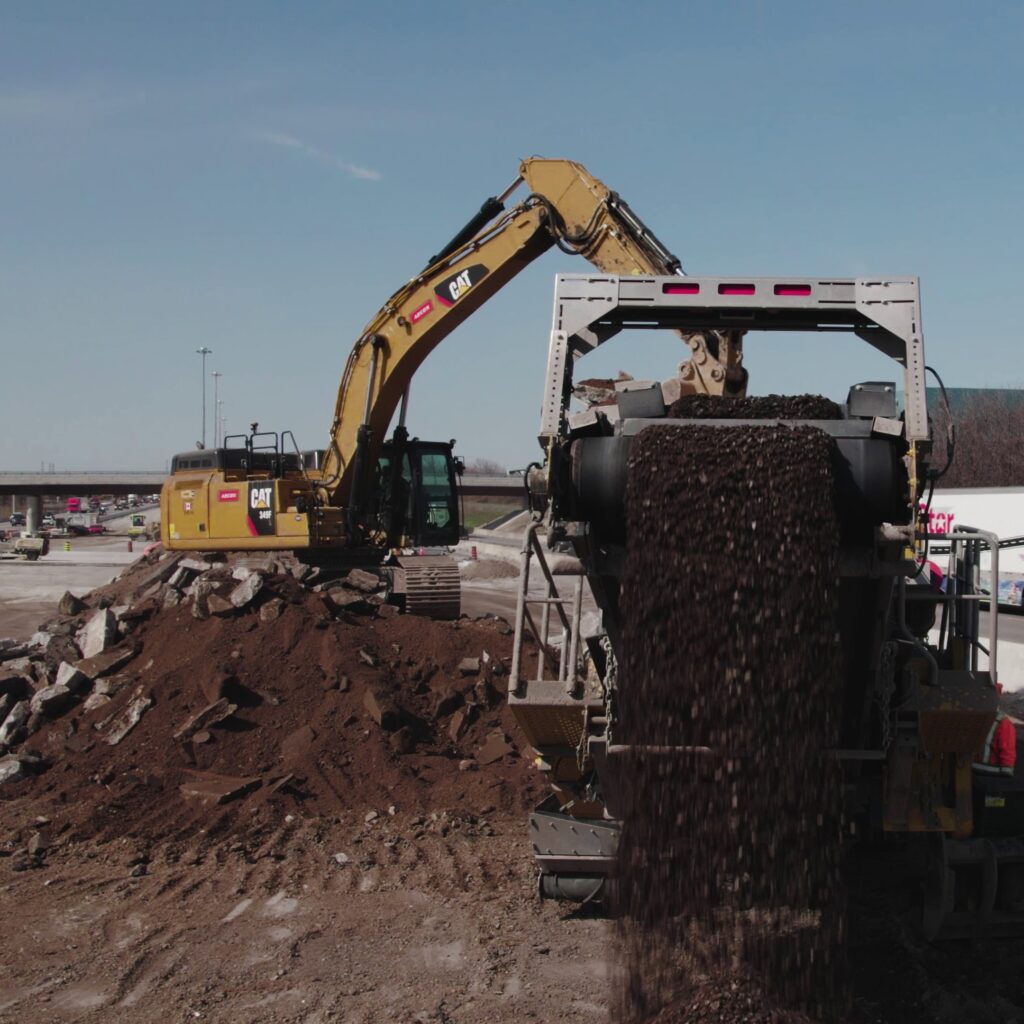
Is excess
your issue?
Tell us what’s coming in, what’s getting rejected, and where the costs are stacking up. We’ll help you map a practical process and the next steps.
Chat With an Expert