
From Hydrovac Slurry to Excavated Soils, RECLAIM 2026 Put Soil Washing and Aggregate Recovery on Full Display.
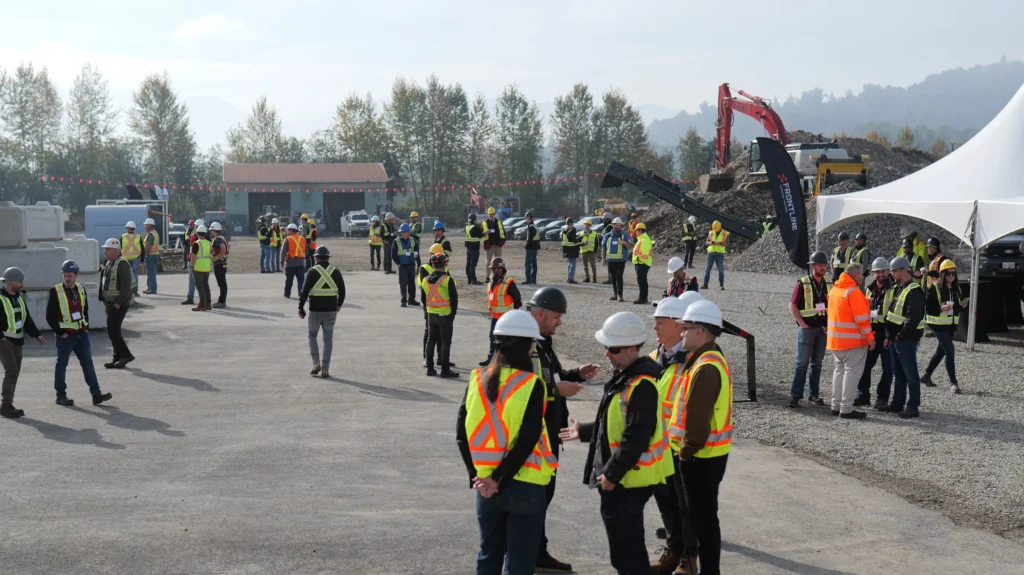
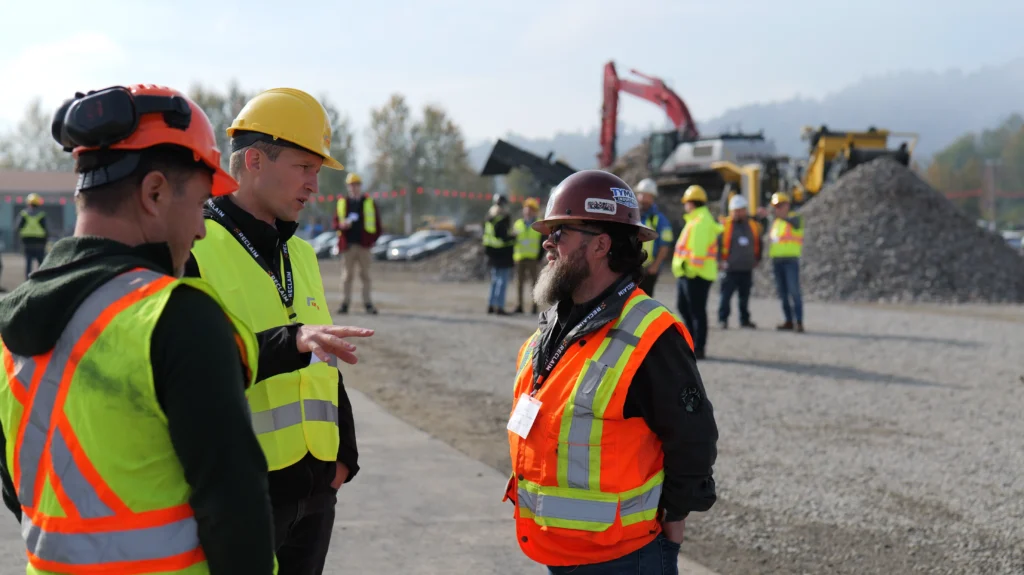
On October 8, more than 175 industry professionals from across Canada gathered at the Headlands soil washing facility in Chilliwack, BC, to see both materials processed through the same washing circuit and recovered aggregates being used to produce concrete lock blocks. This wasn’t a staged demonstration. It was a working operation.
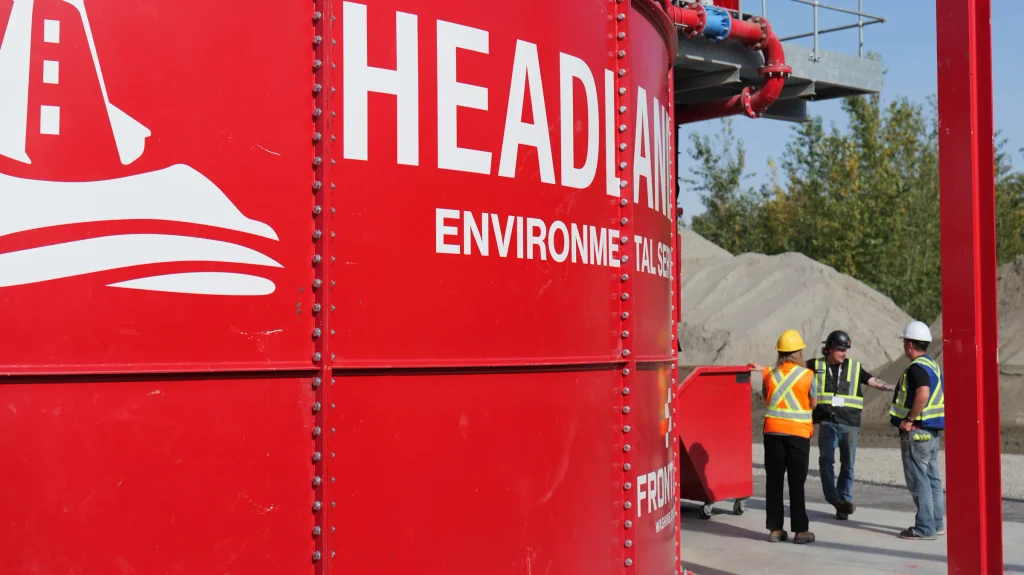
Hosted by Frontline Washing Systems and Headlands Environmental, RECLAIM 2026 offered a firsthand look at North America’s first mobile soil washing plant. Operated and staffed in partnership with Shxwhá:y Village, the Headlands facility provides a real-world example of how excess soils and slurry can be processed into recoverable sand and aggregate.
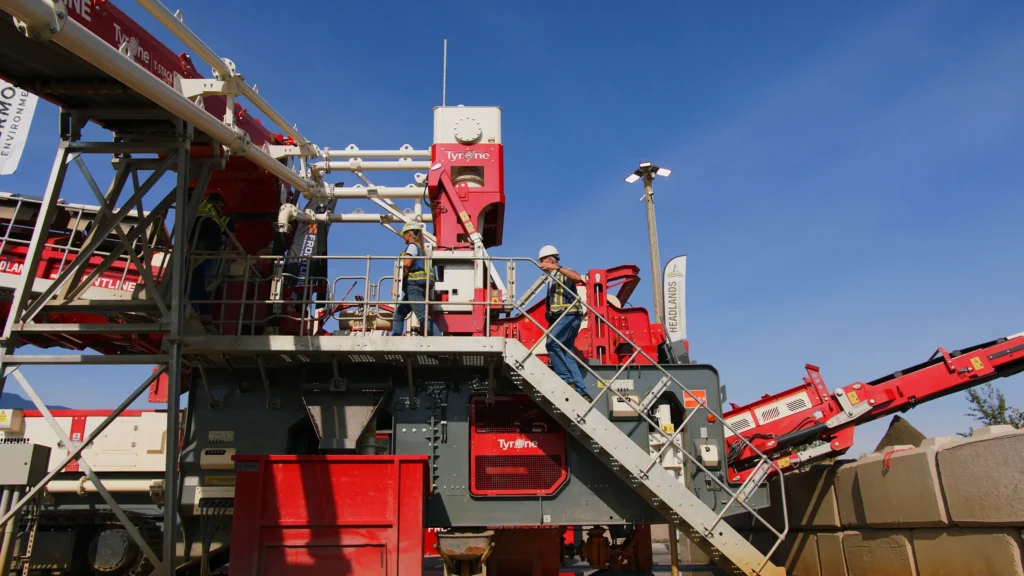
Hydrovac Slurry and Excess Soils to Concrete Lock Blocks: The Full Soil Washing Process.
RECLAIM was built around one idea: let people see the process for themselves.
Rather than displaying individual pieces of equipment in isolation, attendees were able to see how an operating soil recovery facility works from incoming material through to recovered products.
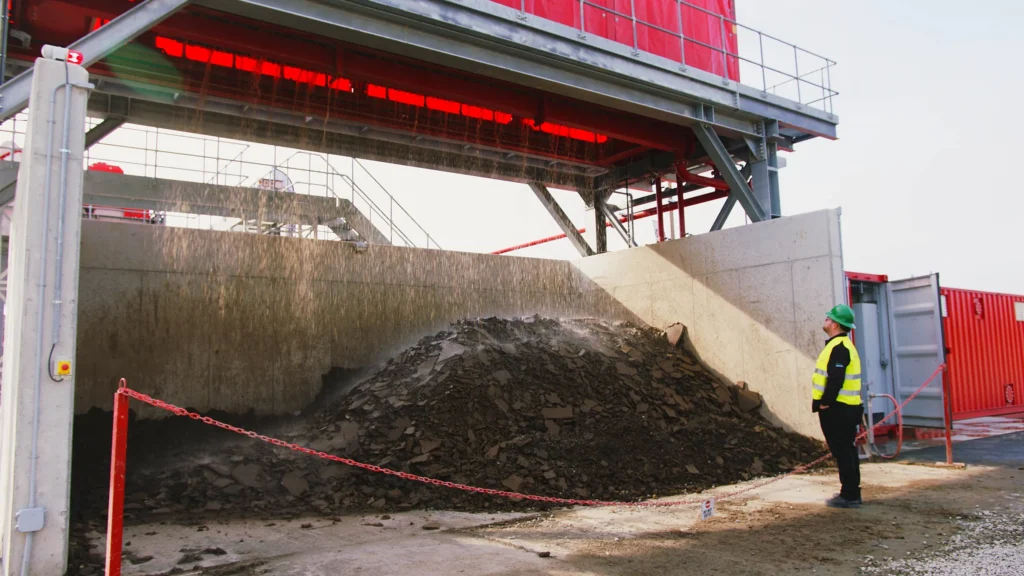
The live demonstration started with a vac truck discharging directly into the HydroPro hydrovac processing system. From there, attendees saw material move through the complete soil washing circuit at the Headlands facility.
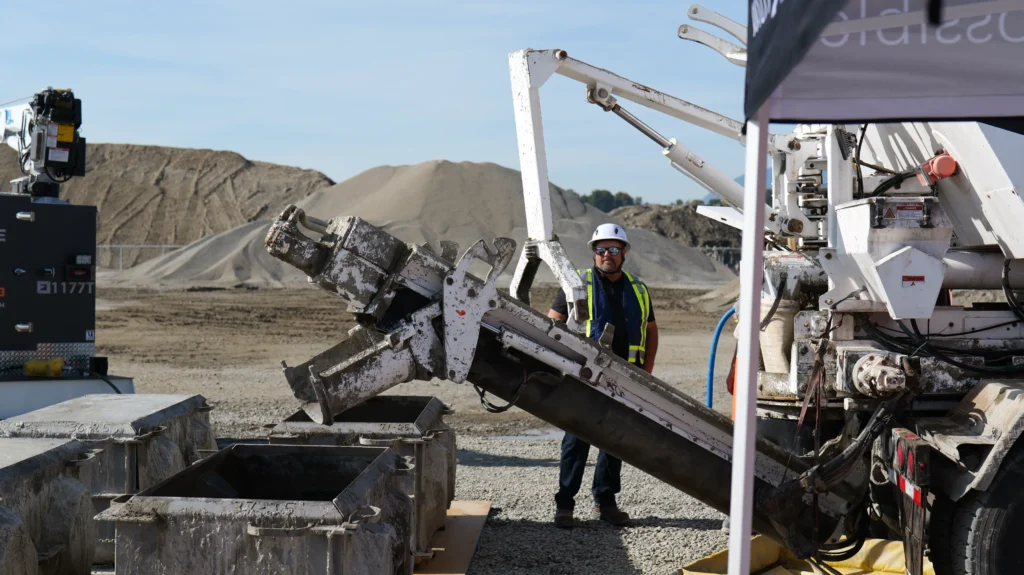
The demonstration finished by putting the recovered material back to work.
Aggregate produced by the Headlands plant was used in a live concrete pour, providing a practical example of how recovered material can move from an incoming soil stream back into productive use.
It gave attendees an opportunity to see more than what comes out of a washing plant. They could see the larger recovery process and the potential next step for the material being produced.
Getting Closer to the Operation
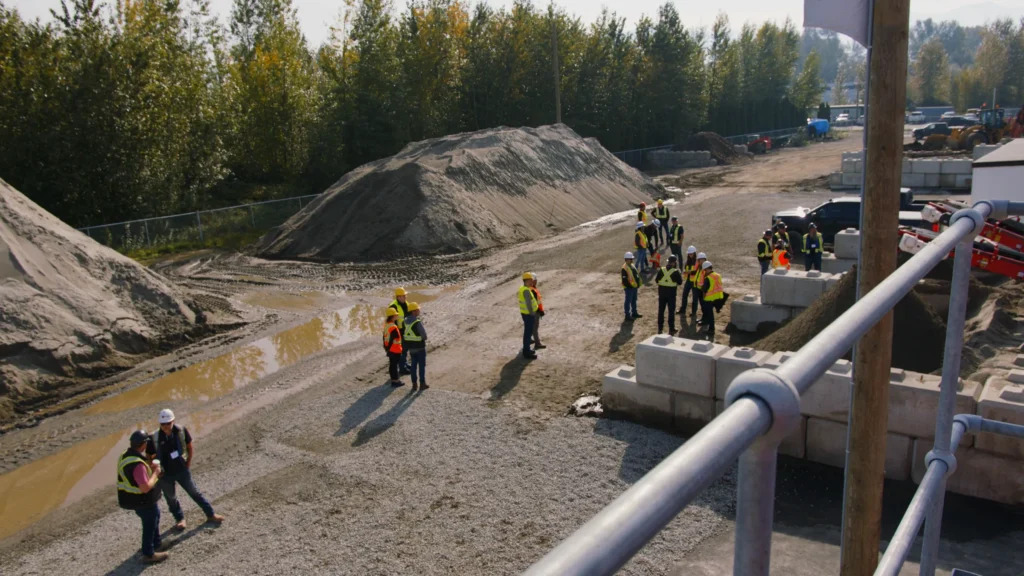
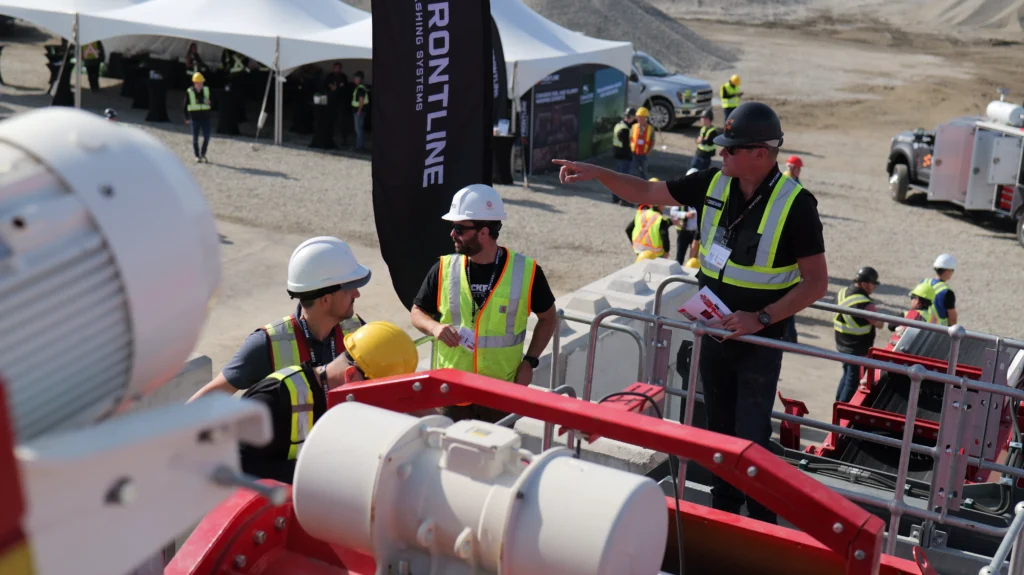
Throughout the afternoon, Frontline Washing Systems and Headlands Environmental personnel led smaller group tours through the facility.
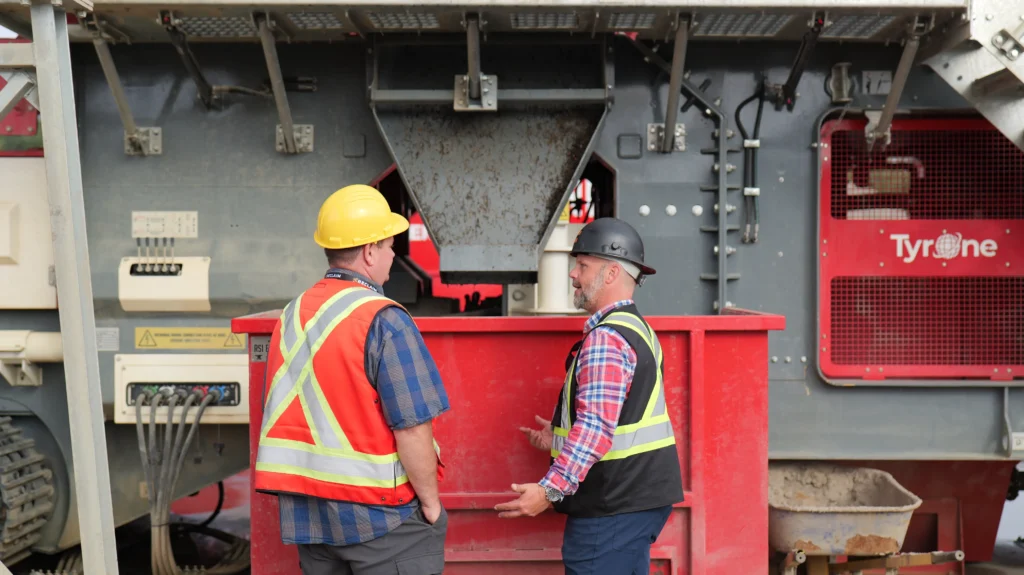
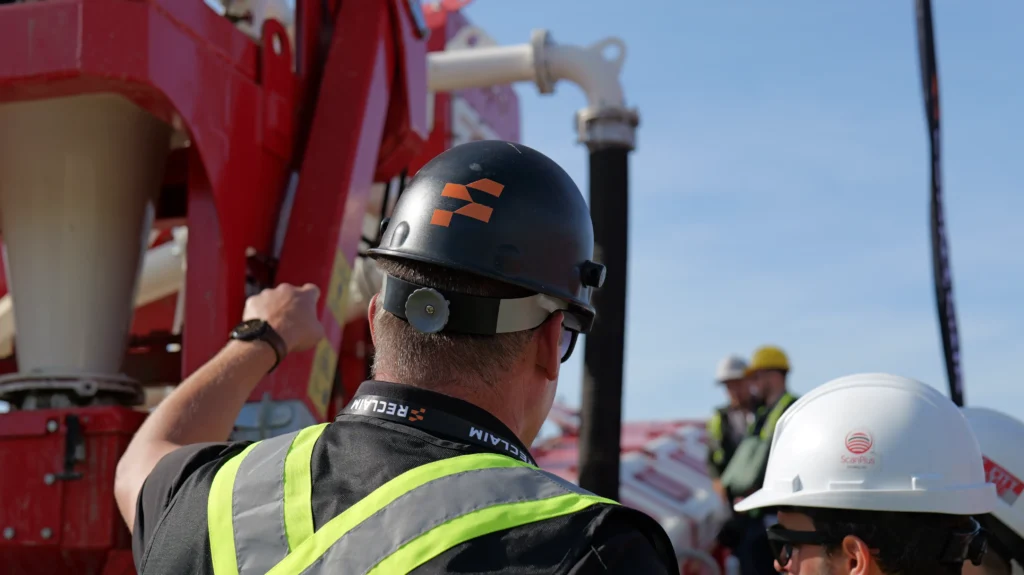
The more personalized format gave attendees an opportunity to get closer to different stages of the plant, ask detailed questions and speak directly with the people who helped build, commission, support and operate the system.
Those conversations covered everything from incoming material and plant configuration to hydrovac processing, recovered products and the realities of running a soil washing operation.
For many attendees, that direct access was one of the most valuable parts of RECLAIM.
Soil washing is highly dependent on the application. Feed characteristics, volumes, clay content, available site space and desired recovered products can all change what the right processing system looks like.
Seeing the plant operating while being able to ask those questions provided context that equipment specifications alone cannot.
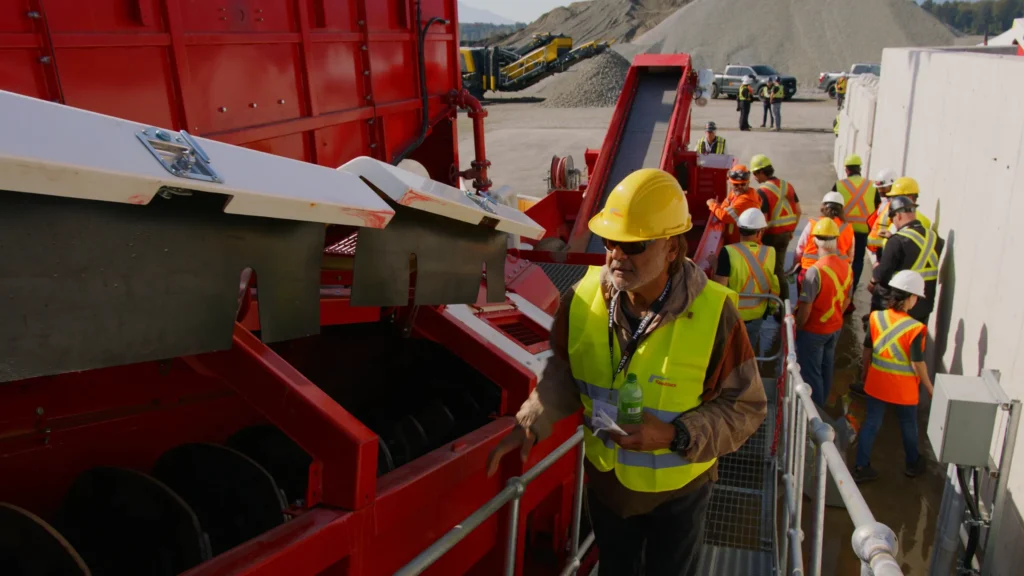
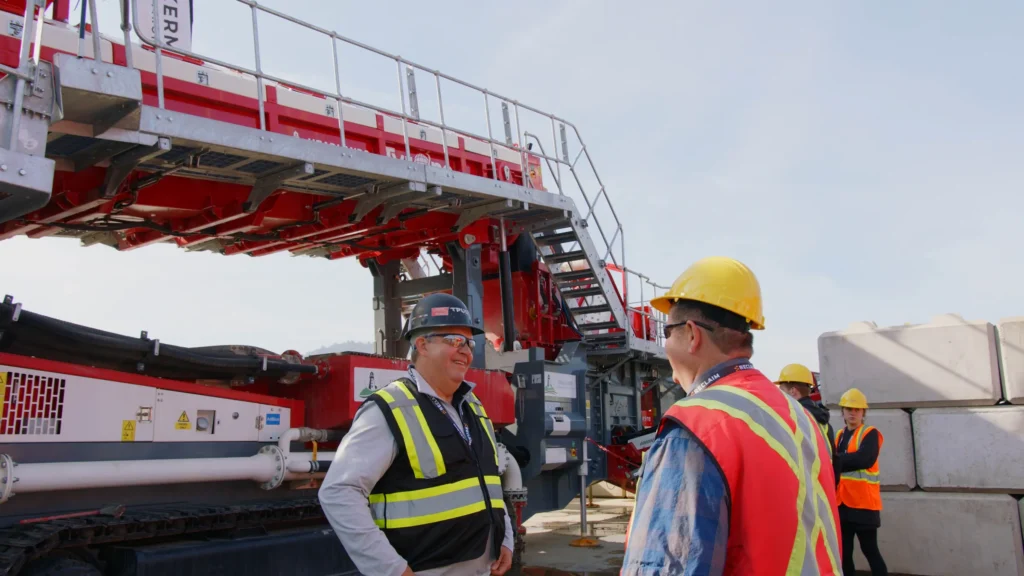
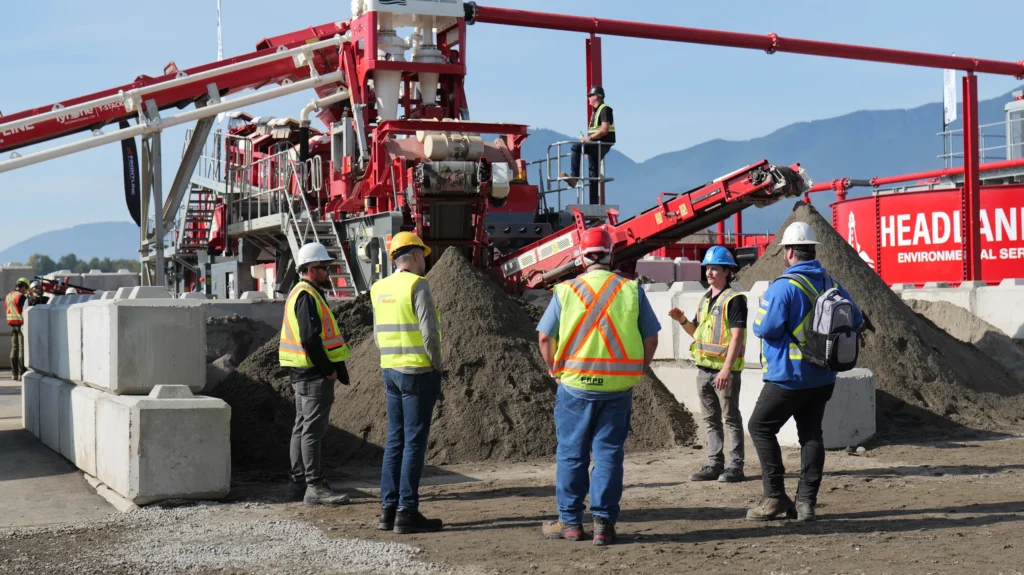
A Look at the Equipment Behind the Process
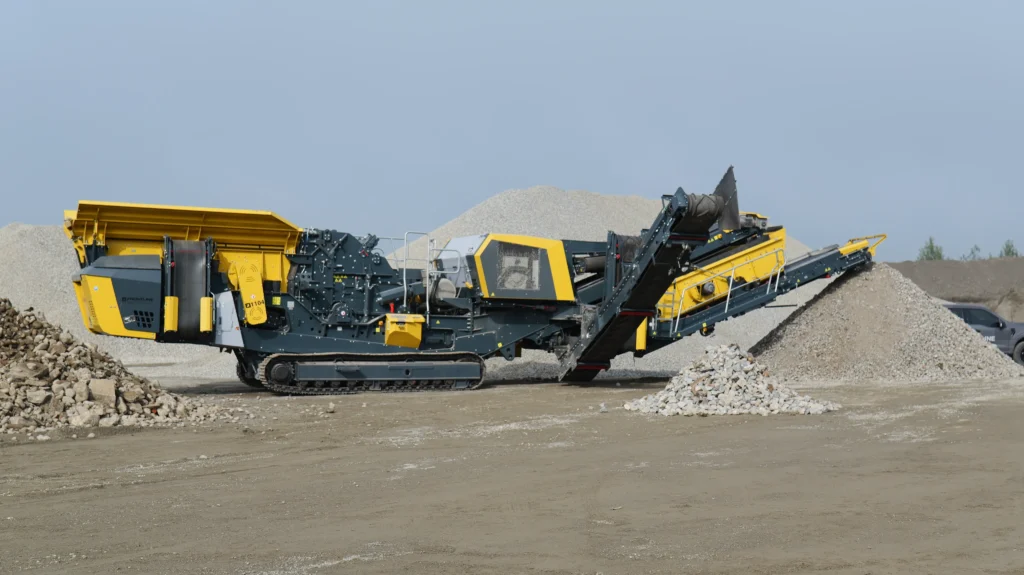
Alongside the live soil washing demonstration, attendees could see a Keestrack R5e impact crusher on static display, the machine that crushes oversized material coming off the Tyrone T-Scalp.
An Optical Belt Scale on the 20 mm discharge conveyor gave a live feed of how much recovered material the plant was producing. Recovery depends on the whole process, from screening and washing to crushing, water treatment, measurement and product handling.
Recognizing the People Behind RECLAIM
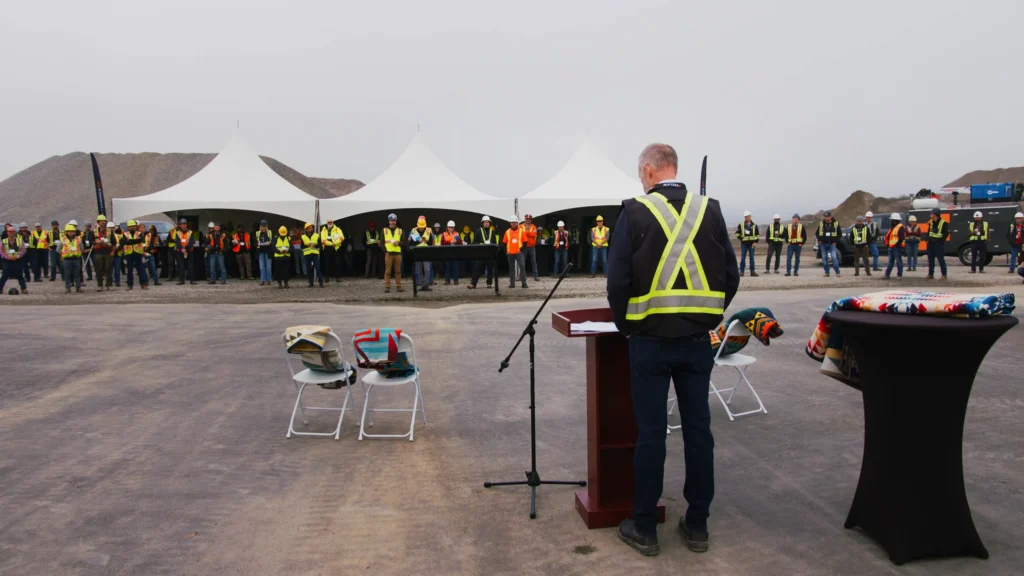
The day also included remarks from Mike Hofer, Principal Owner of Headlands Environmental, and Martin Anderton, Managing Director of Frontline Washing Systems.
RECLAIM began with a special honouring and drumming ceremony from Shxwhá:y Village, recognizing the community where the Headlands operation is located and setting the tone for the day ahead.
For Frontline Washing Systems, hosting the event at an active Headlands facility was an important part of what made RECLAIM different.
The plant was not brought in for a demonstration. Attendees were walking through a working soil management facility and seeing equipment process real material under operating conditions.
A significant thank you goes to the entire Headlands Environmental team for opening the facility, preparing the operation and helping host more than 175 attendees throughout the day.
We also thank Shxwhá:y Village for welcoming attendees to the community and everyone who travelled to Chilliwack to take part.
What Comes After RECLAIM?
The event may be over, but the conversations around aggregate recovery continue.
RECLAIM gave attendees a chance to explore those questions by seeing a complete soil washing operation firsthand.
This is where the industry meets.
See What Recovery Could Look Like on Your Site.
Most questions on the tours were about someone’s own site and how it would work for their operation. The answer usually depends on your feed material, your volumes and how much space you have to work with, and a spec sheet can’t settle that.
Whether you walked the plant on October 8 or you’re reading about it now, our team can review your material and site and tell you where soil washing could fit