
From Landfill Airspace to Recoverable Aggregate
How Headlands Environmental installed a mobile soil washing plant in eight weeks and created a new path for recovering usable material from impacted soil.
Case Study Overview
Install Location
Chilliwack, BC, Canada
Tonnes Per Hour
120
Aggregate Products
- 10mm
- 20mm
- 40mm
sand Products
- Fine Sand
- Coarse Sand
Case Study Summary
What Happened
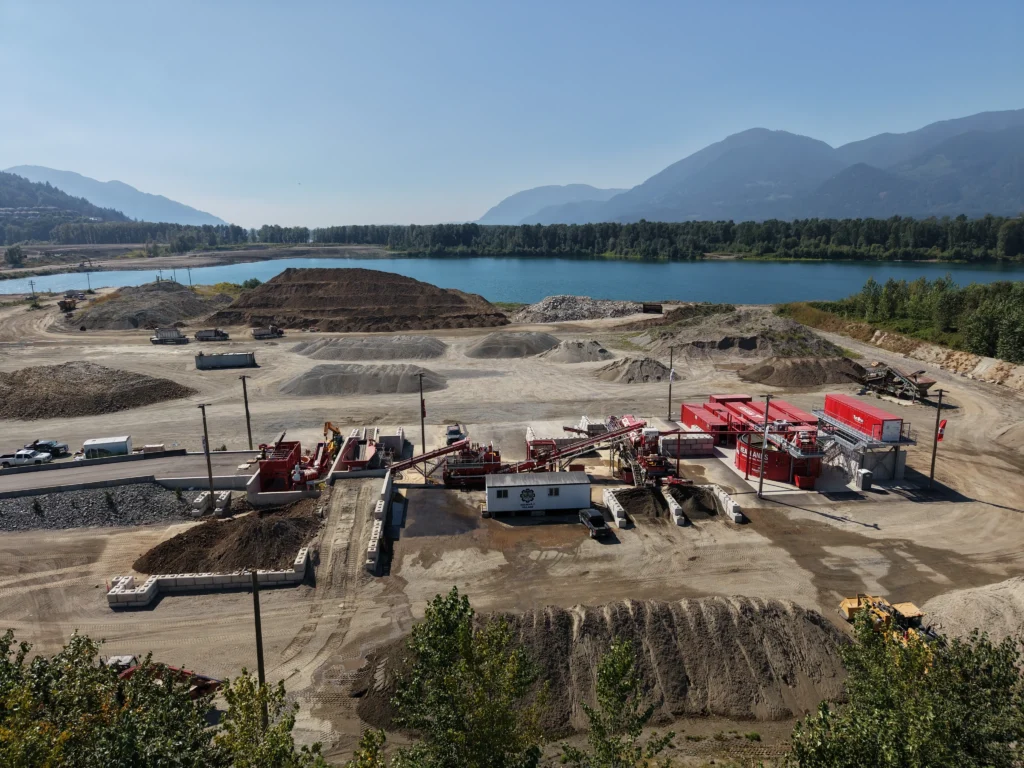
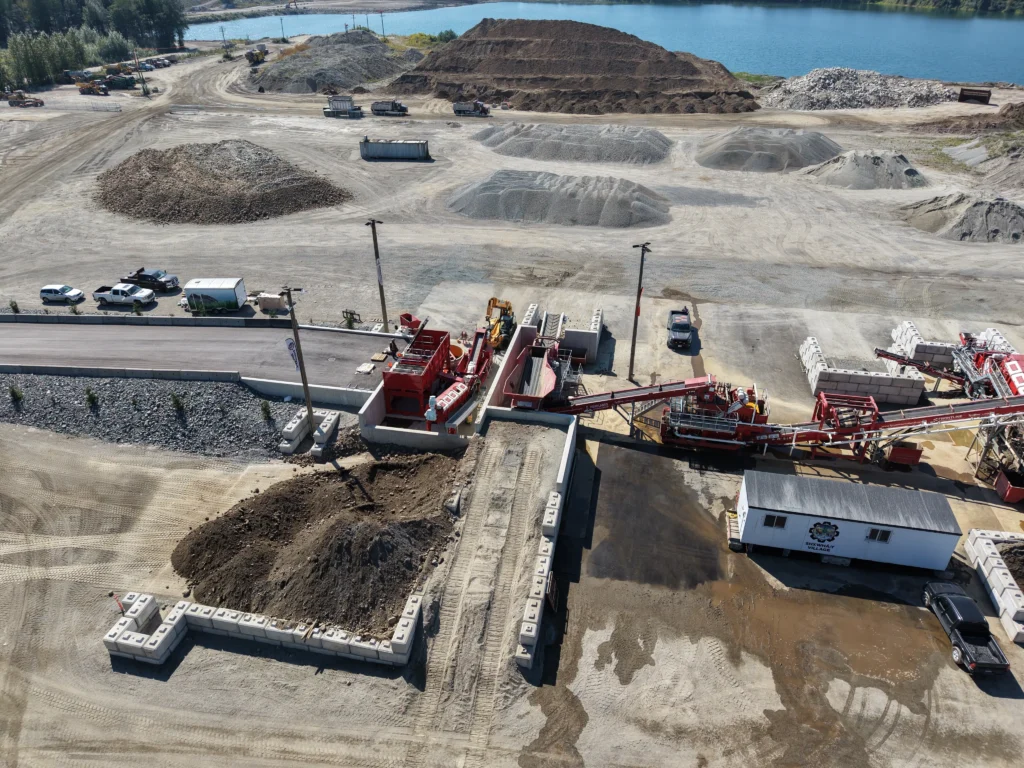
Headlands Environmental has been operating in Chilliwack, BC, since 2008, managing excavated soil from major construction, infrastructure and remediation projects across Greater Vancouver and the Lower Mainland.
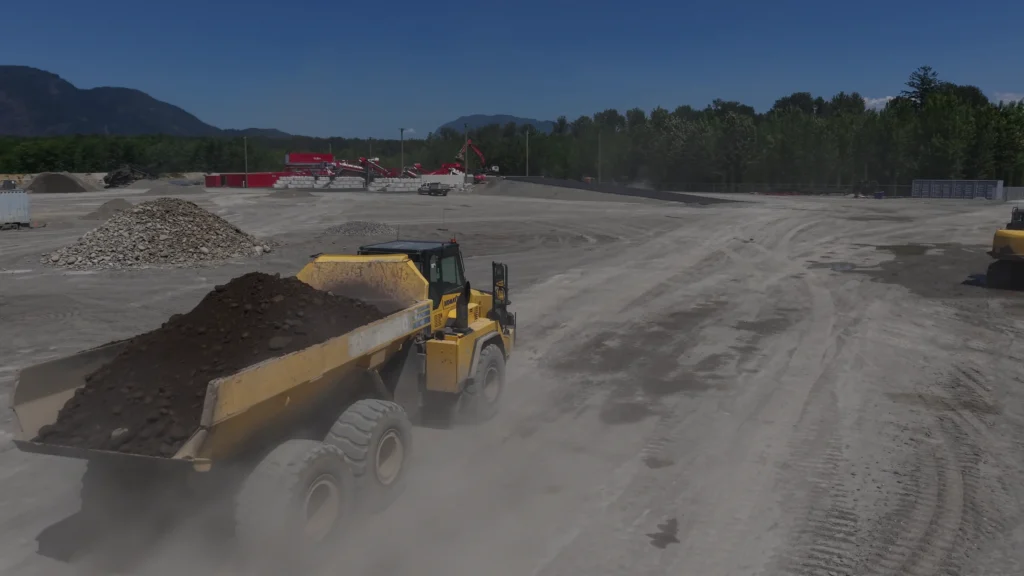
Located more than 100 kilometres from downtown Vancouver, the facility receives more than 400 truckloads of excavated soil a day. Much of the operation involves receiving, testing and treating soil before managing it through to disposal.
As volumes grew, Headlands began looking for ways to recover more value from incoming material. The company introduced crushing and screening equipment to separate usable aggregate and process oversized material into products that could be reused or sold.
In spring 2026, Headlands took recovery further by commissioning a mobile soil washing and aggregate recovery system capable of separating sand and gravel from material that conventional crushing and screening couldn’t fully process.
Challenge
The bottleneck
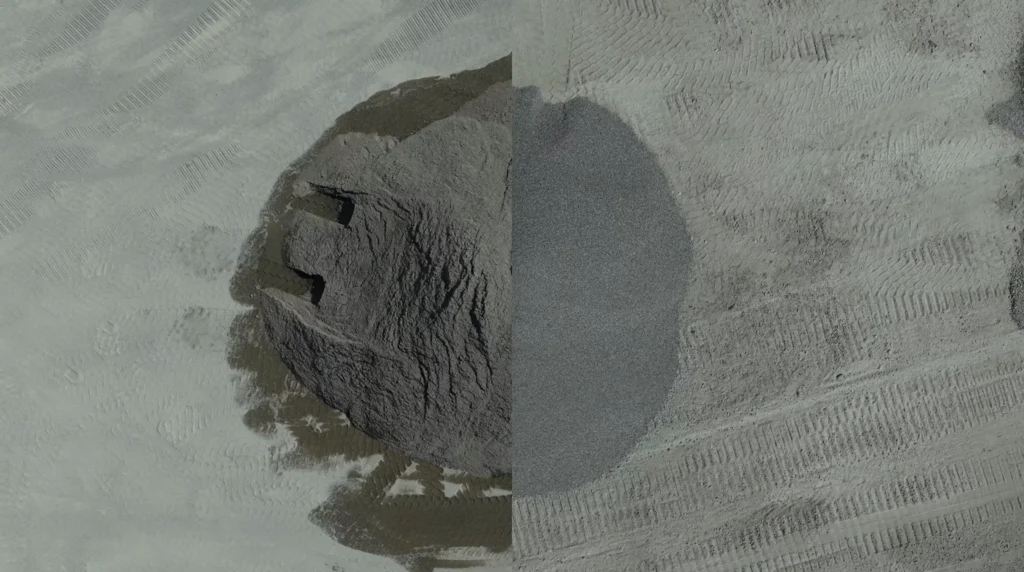
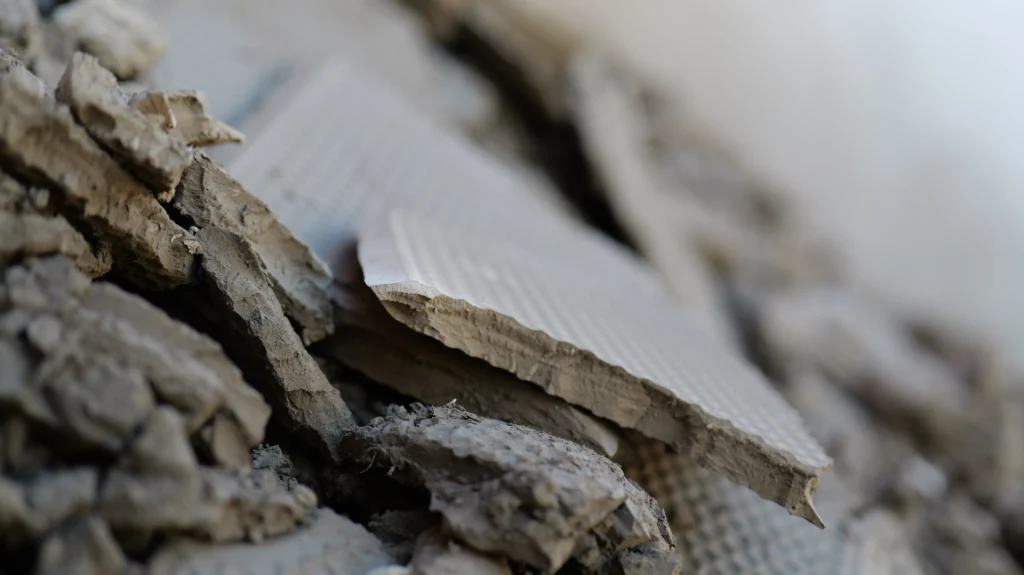
As incoming volumes increased, Headlands began looking more closely at what was being placed in its landfill. Much of the soil contained rock, sand and gravel that could potentially be recovered, yet those materials were consuming limited and expensive landfill airspace
“Why are we putting this in the landfill? This makes no sense,” recalled Mike Hofer, Principal of Headlands Environmental.
Headlands initially introduced screeners and later crushers to separate larger aggregate from incoming loads. This reduced the amount of usable material entering the landfill, but it also raised a more important question: If aggregate could be recovered from the soil pile, could the surrounding impacted matrix be treated as well?
The challenge was complicated by the range of material entering the site. Soil from the Lower Mainland and Fraser Valley can include sand, silt, clay, peat, cobble and mixed contamination profiles. Unlike an aggregate operation processing a relatively consistent deposit, Headlands needed a system capable of adapting to changing feed materials from different excavation and infrastructure projects.
FEED PROFILE
- Sand, silt and clay through to peat and cobble
- Mixed contamination profiles, varying by project
- 400–600 trucks arriving on site per day
Solution
What was installed
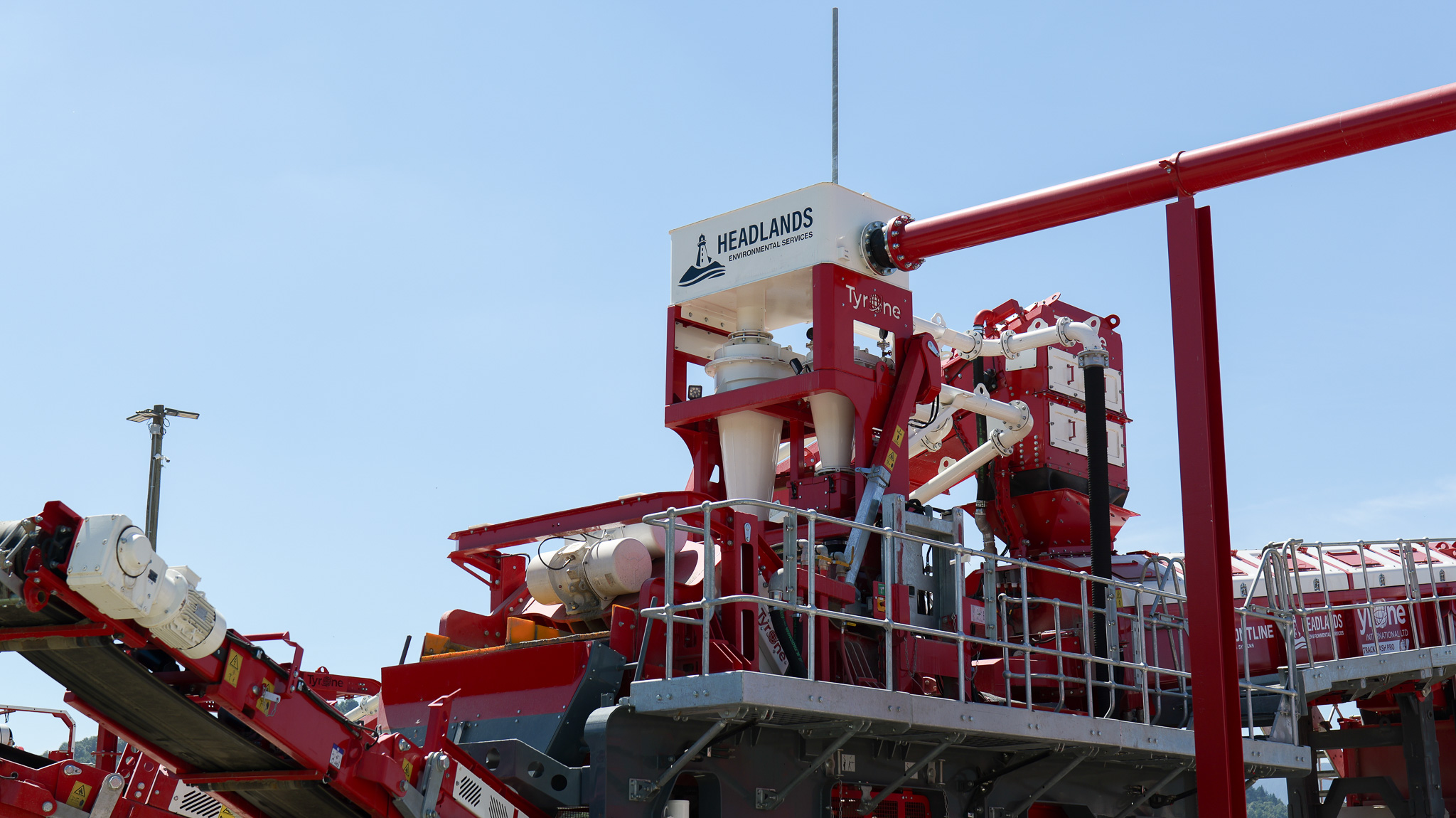
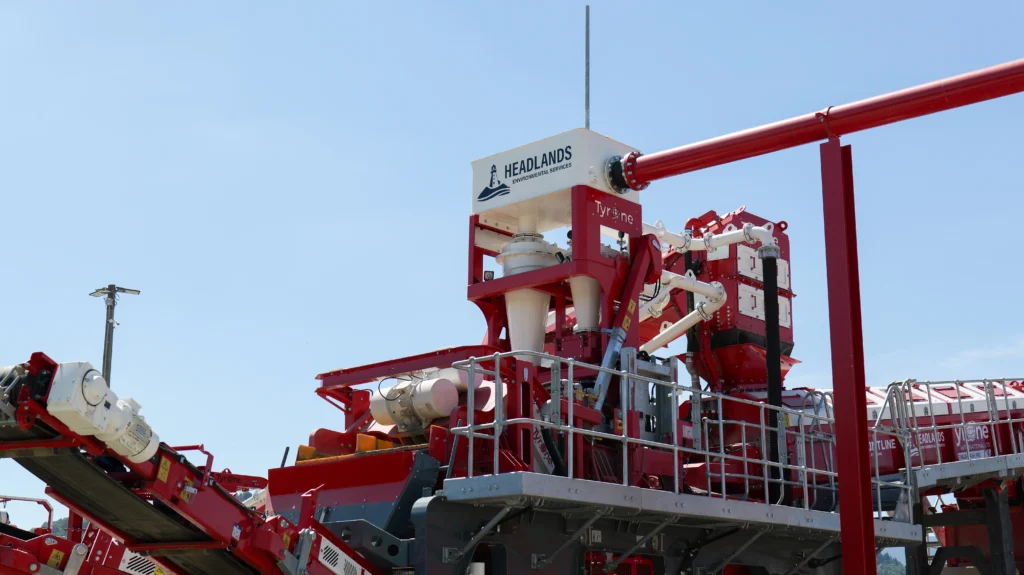
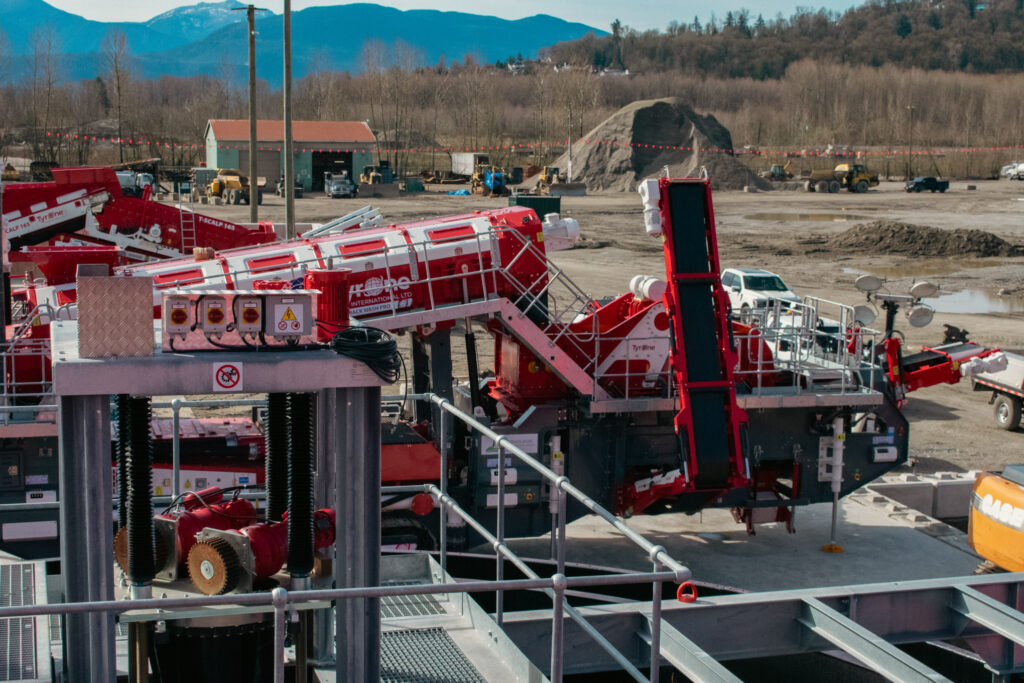
Headlands installed Tyrone International’s TrackWash Pro, supplied by Frontline Washing Systems, alongside the Hydro Pro slurry receiving system. The plant was designed from the start to handle both dry excavated soil and wet hydrovac slurry, with separate receiving paths that feed into a shared recovery circuit.
The TrackWash Pro combines the work of four separate machines on a single tracked mobile chassis, allowing Headlands to carry out multiple processing stages within one mobile system.
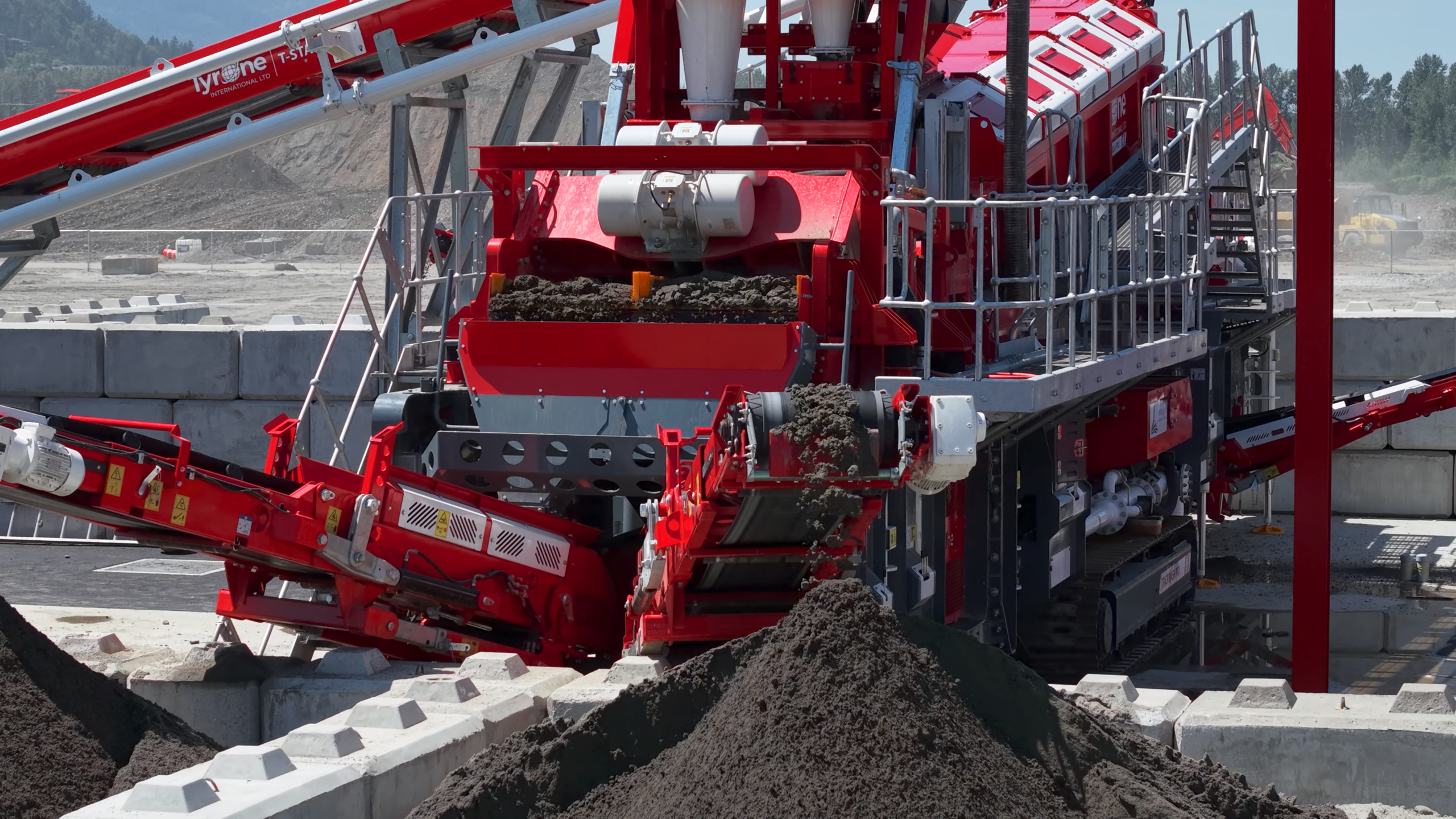
For dry material, excavated soil is loaded directly into the main processing circuit by excavator. This is the conventional feed path, allowing incoming soil to move straight into the washing process.
Wet material takes a different route. Hydrovac trucks discharge slurry directly into the dedicated Hydro Pro receiving system. This eliminates the need for decant pits or drying beds. Rather than waiting for slurry to settle or stiffen enough to handle, the material can move into processing without a separate drying or pre-treatment stage.
Once the two streams enter the shared recovery circuit, the material moves through several processing stages. Scalping removes oversized material, while a trash screen separates unwanted debris such as wood and plastic. The material then passes through a dual-shaft log washer, where scrubbing helps break down and separate material.
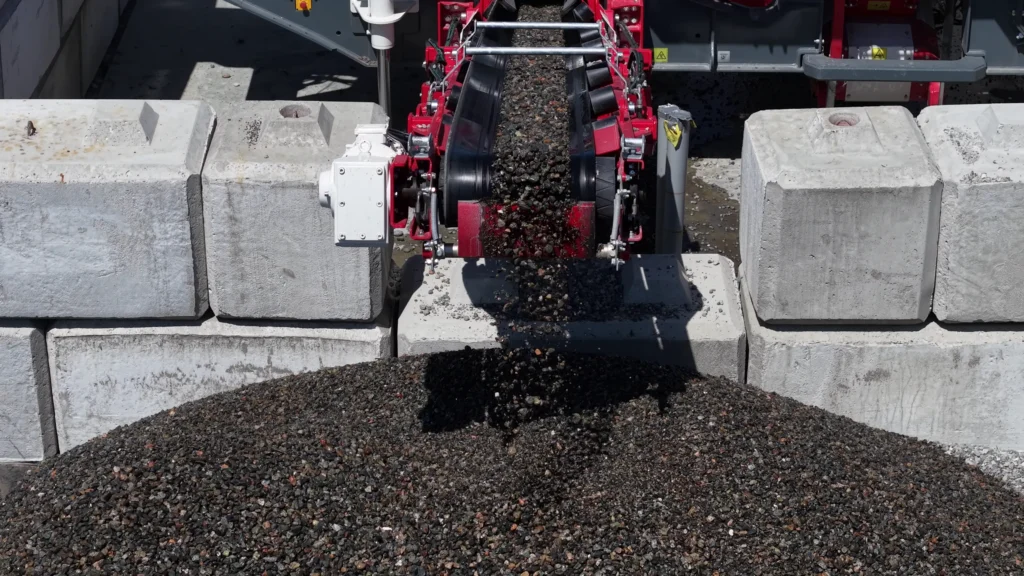
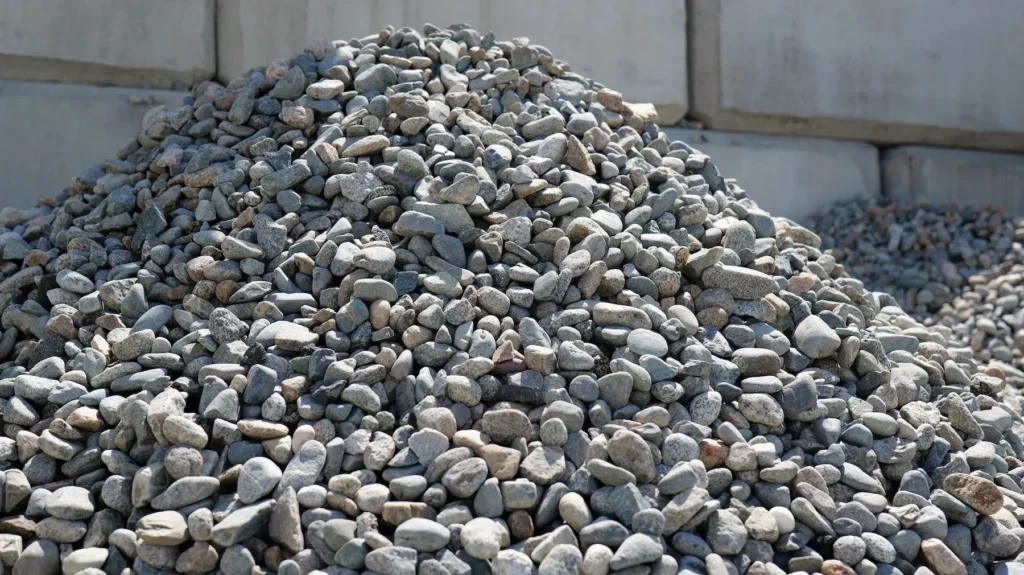
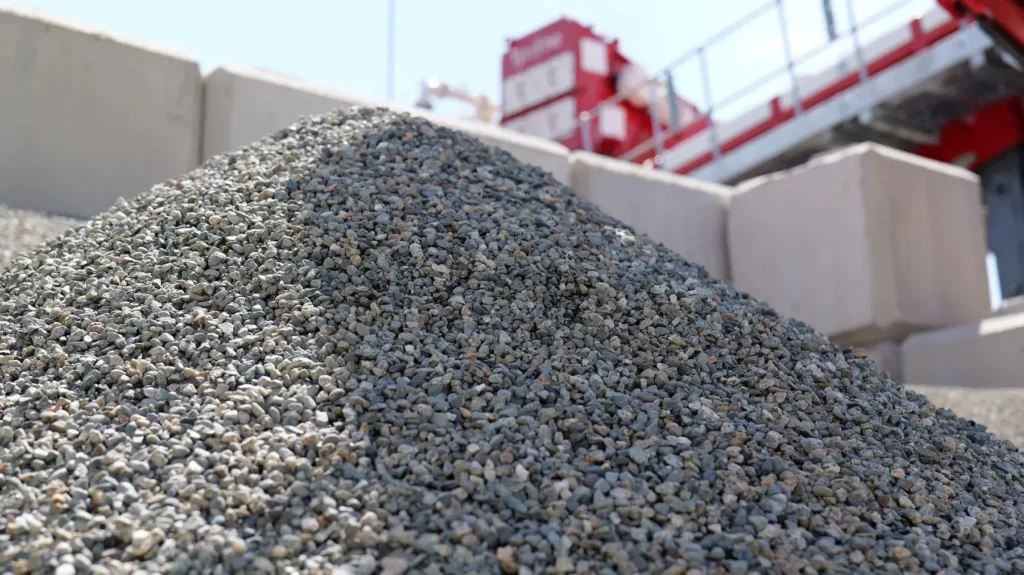
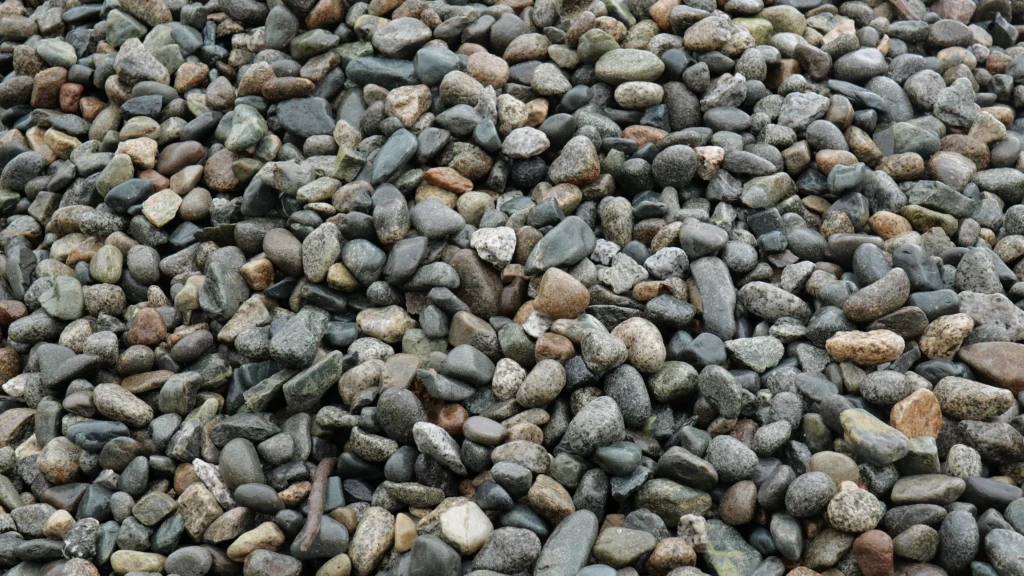
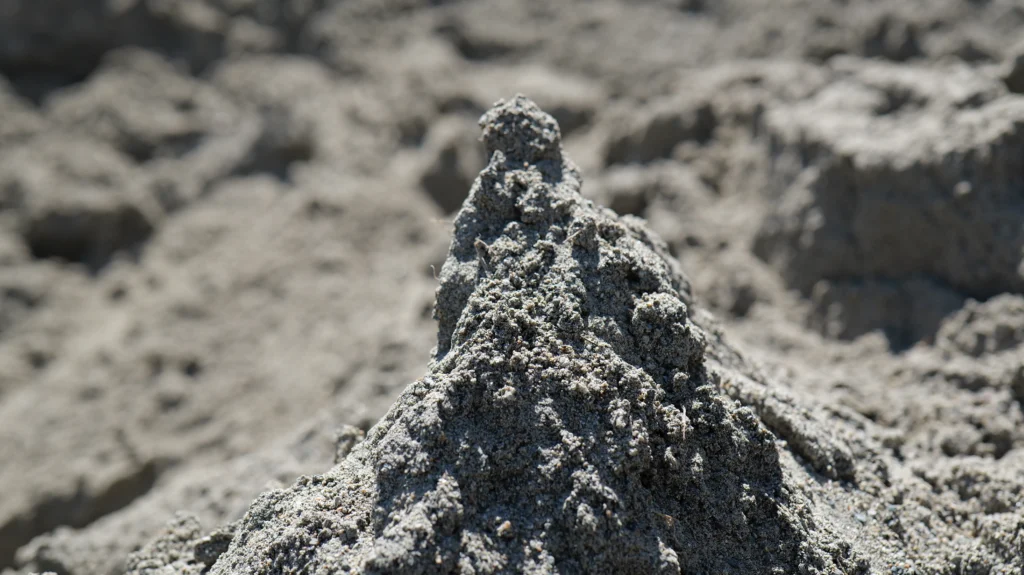
From there, a classifying screen separates the washed material into three aggregate fractions. A sand dewatering screen produces two sand products.
What it changed
Material that previously occupied landfill airspace can now be processed to recover usable aggregate and sand. Water is also recovered through the system, while the remaining fine material is separated into filter-cake.
These recovered materials come from soil and slurry that would otherwise have been managed through disposal.
Easy Numbers
0
Weeks SETUP
Rethink on quick set up time more time running material
0
Tonnes Per Hour
Steady throughput built to keep pace with a high-volume site.
0+
Trucks per day
The daily average moving through the Chilliwack facility.
Why Headlands Chose Frontline Washing Systems
The equipment was only part of the decision. Headlands also needed confidence in the company responsible for supporting it after commissioning.
Frontline Washing Systems brought local washing equipment knowledge, technical expertise and an established relationship with the Headlands team. Frontline had the people, parts inventory and service facilities required to support a complex installation in Canada. This reduced the risk of relying on technical assistance from an overseas supplier after making a major capital investment.
The partnership combined Tyrone’s specialized washing technology with Frontline’s local service infrastructure and hands-on support model.
“Frontline gave us access right to the people and the operators that ran the plant. It’s very transparent. It’s the way we like to do our business.”
Mike Hofer, Principal, Headlands Environmental
Results
Key Outcomes
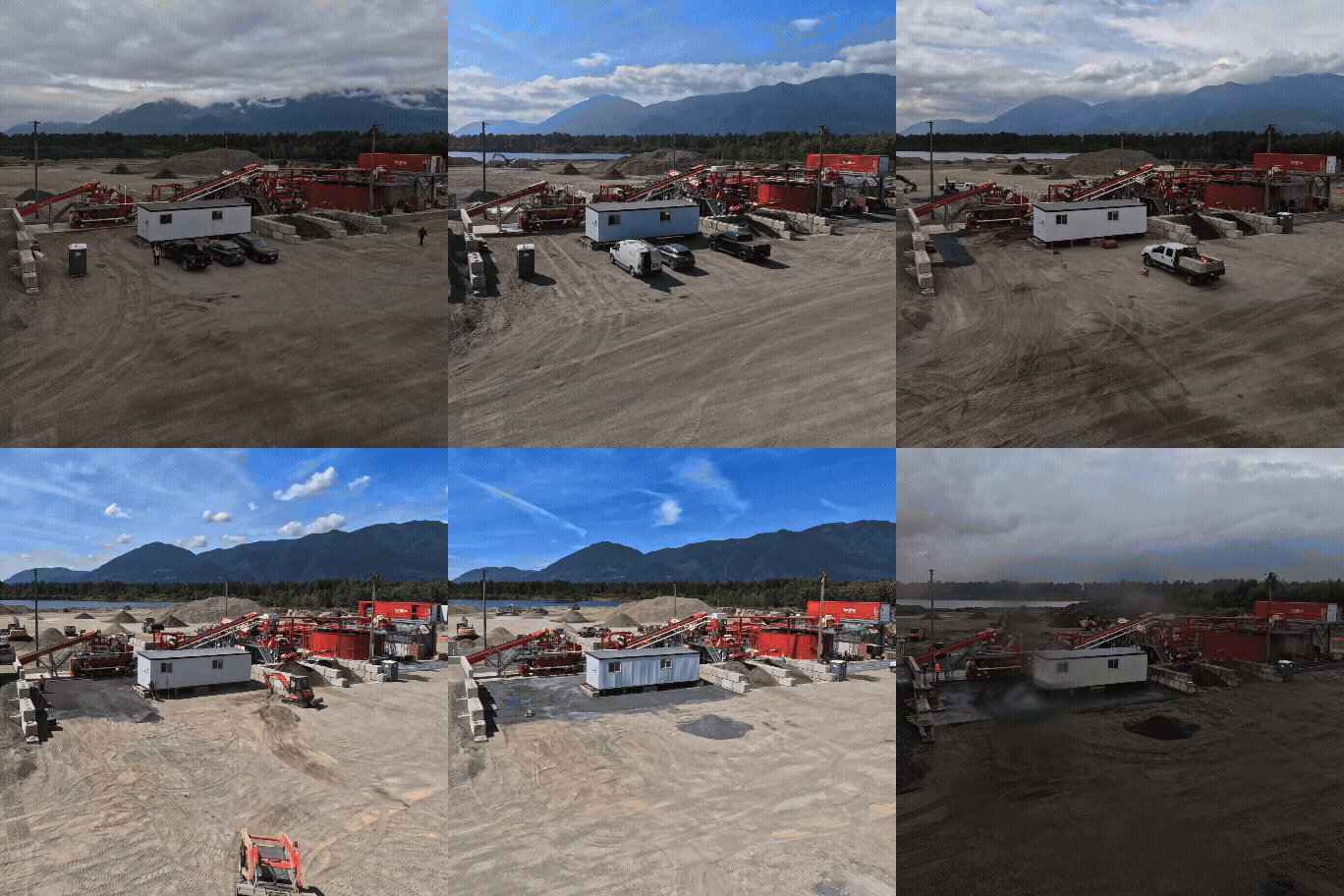
Eight weeks from the equipment landing on site to the first filtercake on the ground. That was the installation timeline at Headlands Environmental, including final assembly, commissioning and performance testing.
The short installation window was possible because the system components arrived preassembled, with no field fabrication required. Once delivered, the installation team completed final assembly and integrated the equipment into the existing operation. Commissioning and performance testing followed, with operators and maintenance crews receiving training before the installation team left the site.
Beyond the installation timeline, the system delivered two important outcomes:
- Closed-loop water systemIntegrated directly into Headlands' existing site infrastructure to support the washing and recovery process.
- 5 types of recovered material streamsThree aggregate fractions and two sand products recovered from incoming soil, creating materials that can be reused or sold rather than sent to disposal.
The plant was also designed with future growth in mind. Its scalable configuration allows Headlands to start with a single installation and evaluate the business case using actual feed material and operating volumes. This gives the company a practical way to assess recovery performance and demand for the finished products before committing to further investment. As the business grows, Headlands can expand the plant to meet its processing needs.
GALLERY
Next Project
Learn More
Discover how a mobile soil washing system can help your operation recover usable material, protect landfill capacity and create more value from every load entering your site.